Back to Projects
SOFTWARE · SOLUTION
Keyfob Management System
Control software for a smart key cabinet: users sign in by RFID card or PIN with fingerprint or face as a second factor, every key taken or returned is photo-logged, and overdue or tampered keys raise alarms.
Every physical key accounted for: who took it, when, with a photo, and an alarm the moment something is out of place.
production-grade application
RFID, PIN, fingerprint, face
Sign-in methods
English, Hindi
Kiosk languages
AES-256-GCM
Biometric template encryption
None (runs on the LAN)
Cloud dependency
CASE ANALYSIS
Project Overview
Challenge
Organisations that hold keys to vehicles, rooms or equipment need to know exactly who has each key and to stop keys being taken outside allowed hours. Our hardware partner's key cabinet had an older control system, and the brief was a rewrite: a kiosk on the cabinet, a web console for administrators, and dependable communication with the cabinet's control card, slots, RFID reader, keypad, camera and fingerprint scanner, all running on the local network without a cloud dependency.
Approach
We rebuilt the system as AKMS: a FastAPI backend with MariaDB, a React and TypeScript web console, and a fullscreen kiosk app on a box PC inside the cabinet, talking to the control card over a framed serial protocol with CRC checks. Users sign in by RFID card or PIN, with fingerprint or face matching as a second factor. Each key fob can have allowed hours and a maximum time out; scheduled checks raise overdue alarms, and keys moved without the slot being opened raise tamper alerts. A hardware simulator lets the whole system run and be tested without a cabinet attached.
Outcome
The cabinet now keeps a complete, photo-backed record of every key issued and returned, enforces time windows, and alerts staff to overdue, mismatched or tampered keys, with reports exported to Excel and PDF and emailed on a schedule.
CAPABILITIES
Key Features
Core capabilities built into the product to solve real user problems.
Card, PIN & Biometric Sign-in
Users sign in with an RFID card or PIN, and fingerprint or face can be required as a second factor.
Photo-Logged Issue & Return
Each key taken or returned is recorded with the user, time and a camera snapshot; tapping a fob opens its slot for return.
Time Windows & Overdue Alarms
Keys can be limited to allowed hours and a maximum time out; out-of-hours access needs an administrator, and overdue keys raise an alarm.
Tamper & Mismatch Alerts
A key moved without its slot being opened, or returned to the wrong slot, triggers an alert, along with low-battery warnings.
Live Console & Audit Trail
Administrators see slot status live and get a full audit trail of access, key and configuration changes.
Reports & Scheduled Email
Excel and PDF reports, including Hindi, exported on demand or emailed on a schedule.
STACK ARCHITECTURE
Technology Stack
Backend
- Python
- FastAPI
- SQLAlchemy
- MariaDB
- APScheduler
Console
- React
- TypeScript
- Vite
- Tailwind CSS
Kiosk & Hardware
- PySide6 kiosk
- Serial control-card protocol
- RFID reader
- USB camera
- Fingerprint scanner
Biometrics
- OpenCV face matching
- NBIS fingerprint matching
PORTFOLIO
All Projects →Related Projects
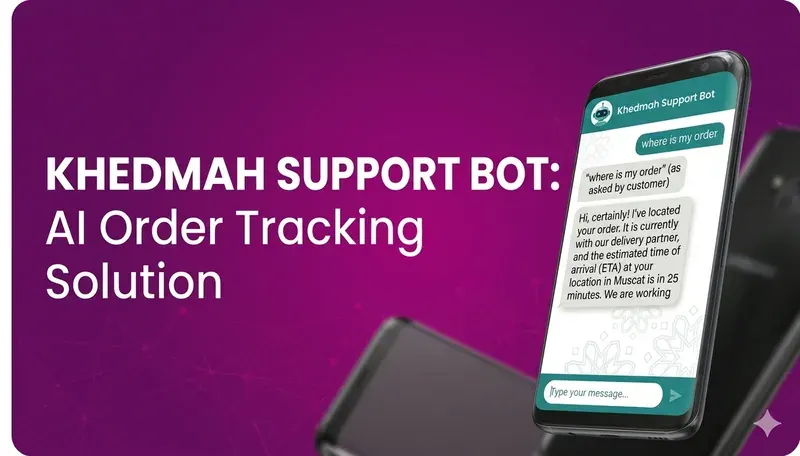
AI · SUPPORT
Khedmah - AI Chatbot
An AI-powered customer support chatbot built for Khedmah — Oman's trusted digital services platform.…

WEB · PLATFORM
Pilot Compass - Aviation School Comparison Platform
A comprehensive web platform helping aspiring pilots find and compare DGCA, FAA, and EASA-approved…

SOFTWARE · SOLUTION
LLM-Based Chatbot
An advanced chatbot powered by Large Language Models, capable of context-aware conversations,…
LET'S COLLABORATE
Need Similar Results?
Tell us your business goals and constraints. We will propose the right scope, stack, and timeline.